Somalia | 28 December 2025
08 June 2026
The growing isolation of Somali Christians
Ongoing conflict, political instability, acute malnutrition – life for Somali citizens is only getting harder. Standing in their midst is the church: under threat and isolated but persisting in faith. Please pray for our brothers and sisters in Somalia.
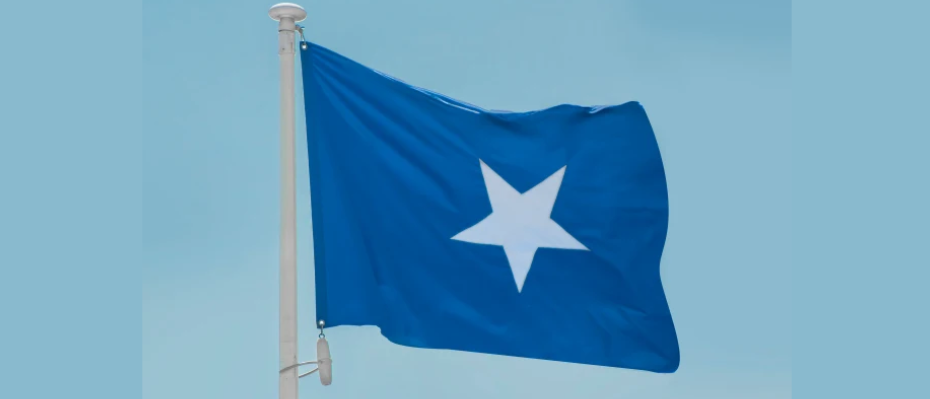
“Somalia and Islam go together; they cannot be separated. A Somali who is not a Muslim is not Somali.”
Sign the petition
More than 150,000 of you have already signed the Arise Africa petition – help us reach our UK target of 200,000! Sign and share the petition and help start the healing.
sign nowThese are the words of Prime Minister Hamza Abdi Barre of Somalia in an address in Mogadishu, the capital, on 13 April – a clear warning to religious minorities among the Somali population, especially Christians.
The prime minister made his address at the headquarters of the Somalia National Army to military personnel. “There are other countries like this where, if someone leaves Islam, their citizenship is confiscated,” he continued. “Since this is the case, a soldier must reflect his Islamic faith and seriously practise the five pillars of Islam and the six pillars of faith.”
In his speech, Hamza Abdi Barre went on to describe the requirements for military bases – including having a mosque, Islamic teaching and texts, and that soldiers execute their duties in accordance with and for the sake of the Quran.
For the few Christians in Somalia who must live out their faith in secret because of the dangers of their faith being discovered, the equation of Islam and national identity forms another layer of persecution. Already, believers could face the death penalty if found guilty of converting to Christianity.
“The legal framework recognises the pre-eminence of Sharia (Islamic law) which unequivocally identifies apostasy and conversion away from Islam as crimes punishable by death,” states John Samuel*, legal expert for Open Doors’ work in sub-Saharan Africa.
Human rights disregarded
Such legislation directly contradicts the international conventions to which Somalia has publicly committed. At the start of the year, the Somalian government assumed the presidency of the United Nations Security Council, marking a significant return to global security leadership. However, in April, Somalia’s human rights record was examined by the United Nations Human Rights Council’s Universal Periodic Review (UPR).
Every member state of the United Nations is obliged to have its human rights records scrutinised every four years. One outcome of the review stated that, “Somalia is currently operating under a provisional constitution that completely undermines the right to religious freedom, despite claiming to support it.”
John Samuel explains, “By criminalising religious conversion, the legal system places immense pressure on religious minorities, forcing them to live under constant fear of persecution by the state.”
Now, the prime minister’s statement concerning citizenship entrenches the isolation believers experience and the systemic threats against their lives.
“Faith is lived under constant risk.”
John Samuel
“The strong linkage between Islam and national identity reinforced by political leadership has created an environment where religious diversity is not only limited but often rejected,” Samuel continues. “For Somali Christians, faith is lived quietly, often in isolation and under constant risk. The absence of legal recognition, combined with social and cultural pressures, leaves little room for open expression of belief. This reality underscores a broader challenge: how to uphold national identity while ensuring fundamental human rights, including freedom of religion or belief.
“The public statements have reinforced the idea that Somali identity is inseparable from Islam.”
John Samuel
“The public statements from national leadership have reinforced the idea that Somali identity is inseparable from Islam. Such perspectives reflect broader constitutional and societal frameworks, where Islam holds a central and exclusive role in both governance and daily life. While this reality is rooted in the country’s history and culture, it also presents significant challenges for those who hold different beliefs.”
The daily life of Somali Christians
Somalia is number two on the World Watch List, making it the second most dangerous place in the world to be a Christian.
Because the life of believers is so threatened, the actual number of Christians in Somalia is unknown. Many do not know the fellowship of others and must keep their faith secret. That’s the story of Aweis, a believer from Somalia who had to flee the country when almost every Christian he knew was killed by the authorities.
“Their experiences remain largely invisible to the outside world.”
John Samuel
“For Christians in Somalia, faith is not merely a personal conviction, but it is often a hidden journey marked by caution, resilience and perseverance,” Samuel details. “Many are unable to practise openly. As a result, their experiences remain largely invisible to the outside world.”
There is no legal recognition available to Somali Christians or those of other religious minorities – meaning that there are no official churches, no legal protection for Christian worship and no formal means of addressing discrimination.
And the rest of life does not offer a relief. Somalia has suffered four seasons of drought, and the rate of malnutrition has doubled this year. International aid has almost dried up for multiple reasons, including funding shortages and rising fuel prices. Beyond, unrest is expected to spark since the postponement of elections and the extension of the current president’s term.
As Somali Christians endure these trials, your prayers are essential in reminding them that, though their numbers seem few, their global church family stands with them – even more so, that “God is our refuge and strength, an ever-present help in trouble.” (Psalm 46:1) Please continue to pray for them.
*Name changed for security reasons
Please pray
- That, despite the threats Christians face in Somalia, they would be steadfast in faith and be able to enjoy fellowship safely, away from prying eyes
- For the Lord’s provision of the needs of Somali citizens amidst drought and malnutrition
- That the government would treat Christians with respect and mercy and turn to the Lord Jesus in repentance.
Arise Africa petition
You can help bring about justice for all those affected by persecution in sub-Saharan Africa by signing the Arise Africa petition. We’re looking to get one million signatures worldwide – can you help us reach the target by adding your voice and getting others to join you?